
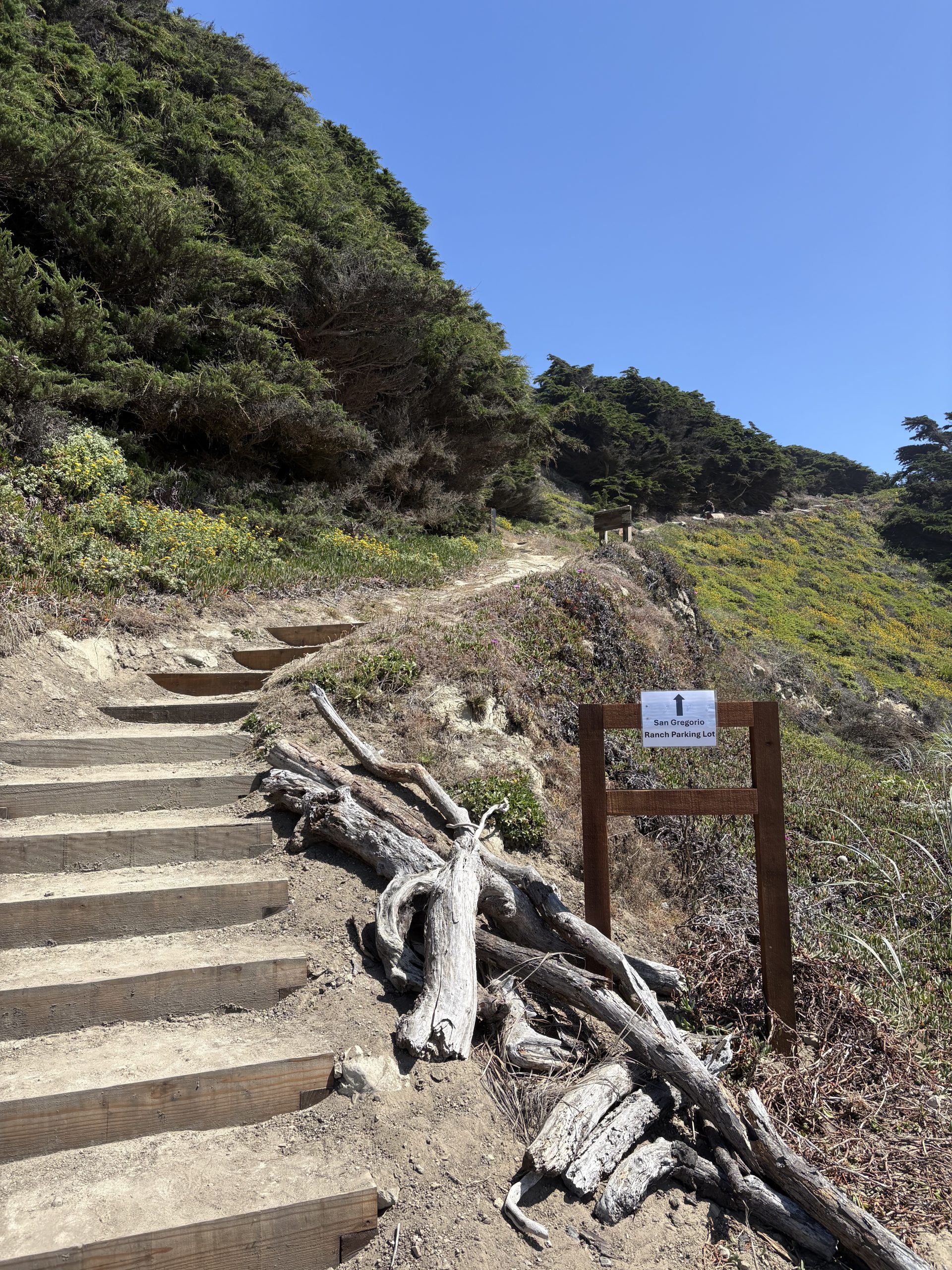
San Gregorio Ranch State Park
California State Parks recently announced the addition of 82 acres to the Pescadero area. It sits right along the San Mateo coastline. When I first read the news, I felt a genuine sense of relief. Too often, we watch coastal parcels vanish into private development, but this move keeps the rugged character of the shoreline intact.
Pro Tip: Explore the natural beauty of the San Mateo Coast and then plan your next adventure with The Open Road: Active Luxury Road Trips in the American West for exclusive travel inspiration.
The land acts as a buffer between the ocean and the inland agricultural fields. If you look at the official release, the scale seems modest, but the location is geographically significant. By securing this corridor, the state prevents sprawl from encroaching on the cliffside. It forces a pause on the steady creep of housing that has defined so much of the Peninsula over the last thirty years.
Wildlife does not recognize property lines. This acquisition provides a wider berth for native species to move safely between the maritime scrub and the beach. Consider what this actually means for the local The Open Road: Active Luxury Road Trips in the American West:
- The reduction of light pollution from new homes keeps nesting birds on track.
- Uninterrupted ground cover prevents soil erosion during heavy winter rains.
- Added acreage gives terrestrial animals a safer path to freshwater sources near the creek.
The Peninsula Open Space Trust (POST) played a part in making this happen. I have supported them for years because they do not just buy land; they understand the geography. They identify the gaps in protection before developers do. Supporting them feels like an investment in the sanity of our local geography. It is not about stopping progress, but about choosing where that progress stops.
This is a rare win. We spend so much time fighting over zoning boards and traffic density that we sometimes forget the coast needs room to breathe. The 82 acres near Pescadero represent a quiet victory for anyone who wants to see the horizon without looking at a mansion. It is a simple, effective way to maintain the character of the San Mateo coast for people who are not even born yet.
Why I Am Investing My Support in POST
Real estate along the California coast feels like a ticking clock. Every time a new property hits the market, the fear that it will become a gated compound or another row of luxury homes hangs in the air. This is why I choose to put my time and money behind the Peninsula Open Space Trust. They do not just talk about conservation; they actually buy the dirt before the bulldozers arrive.
I have watched this organization work for years, and their strategy is refreshingly simple. They identify high-value land that connects existing protected spaces and they act with urgency. This approach to prevents fragmentation, which is a major problem for local wildlife trying to move through their natural habitats. When POST secures a parcel, it stays open for hikers, birds, and the scrub brush that defines our landscape. It is not about pretty scenery alone; it is about keeping the ecosystem functional.
According to the official California State Parks announcement regarding recent coastal acquisitions, these efforts create contiguous corridors that benefit the entire region. Seeing these large swaths of land transition from private risk to public asset feels like a rare win in an era of constant development. It is expensive, difficult work, and they often carry the financial burden of these purchases until state or federal agencies can take over the long-term management.
I support them because they are pragmatic. They understand that if you wait for a perfect moment or complete consensus, the land will be gone. They take calculated risks on difficult parcels, often stepping in where government agencies cannot move fast enough. This speed is what earns my trust.
- They prioritize connectivity between parks to keep wildlife corridors open.
- They act as a bridge between private sellers and public agencies, clearing the path for permanent protection.
- They accept the reality that land costs only climb higher every year.
- They focus on tangible results that I can see and walk on with my own boots.
My financial support is a vote for keeping the coast wild. It is one of the few places where I feel my contribution has a permanent impact on what this area looks like a century from now.
Balancing public access and environmental stewardship
Opening new coastal lands to the public feels like a win, but it creates a real headache for those tasked with keeping the dirt, plants, and animals in good shape. It is easy to demand more space to hike, but every human footstep creates a consequence. When we invite people into these areas, we invite erosion, trash, and the displacement of ground-nesting birds. I find it difficult to reconcile my desire for open access with the reality that wild places prefer to be left alone.
The Peninsular Open Space Trust (POST) has been a leader in managing this tension. By acquiring these parcels, they stop developers from turning the coast into private estates, which is the biggest victory. Yet, the work is not finished once the title is signed. Managers must figure out where to place trails so that visitors can see the ocean without trampling sensitive dunes. According to California State Parks, the goal is to create managed entry points that protect the core of the habitat. It is a smart approach, though it means some areas will inevitably remain off-limits to humans.
There is a specific etiquette required when visiting these Hawaii vs. Portugal: Your Ultimate Fall/Winter Adventure Guide for Sea & Saddle. If we want these spaces to last, we have to change how we move through them. It means staying on marked paths even when the mud looks tempting to walk around. It means packing out every scrap of waste, even the stuff that seems harmless like apple cores. We are guests in a home that has functioned without us for centuries.
- Stay on designated trails to prevent soil compaction and plant damage.
- Keep dogs on leashes to avoid scaring off local wildlife.
- Respect seasonal closures, which are often there to protect nesting animals.
- Report trail damage to park staff instead of trying to fix it yourself.
Supporting this expansion is about trusting organizations like POST to find that middle ground. I am proud to back their work because they understand that conservation is not just a static state of being. It is an active, ongoing negotiation between our need for nature and nature’s need for space. If we remain disciplined, we can enjoy these views without ruining the very thing that brought us here in the first place.