
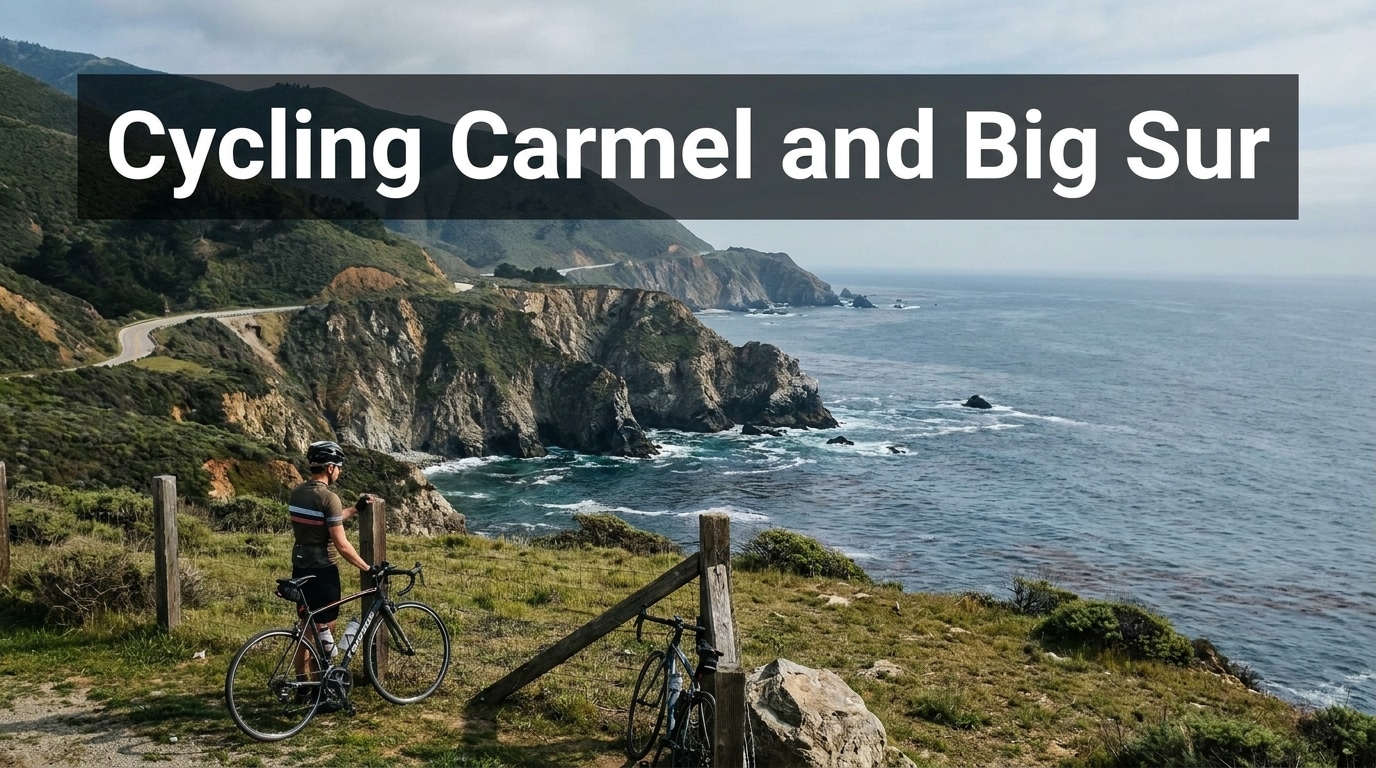
Pedal Through Paradise: Choosing Your Carmel & Big Sur Cycling Route
Experience the invigorating salt spray, the vast expanse of the Pacific, and the rugged California coastline with every pedal stroke. Cycling in Carmel and Big Sur provides an immersive encounter with some of the United States’ most spectacular scenery. With diverse terrain ranging from paved coastal highways to challenging mountain fire roads, selecting the right route is essential for a successful adventure.
Coastal Cruising: The Iconic Highway 1 Experience
Cycling Highway 1 is a bucket-list experience, offering postcard-perfect views of dramatic cliffs and landmarks such as Bixby Bridge. Cyclists often prefer point-to-point rides between Carmel and Big Sur. Because this route is shared with motorists, safety and timing are paramount; early morning rides or weekday outings are highly recommended to avoid heavy traffic. For a shorter, scenic excursion, the route from Carmel to Point Lobos State Natural Reserve provides an accessible and breathtaking introduction to the region. Before embarking on longer stretches, always verify current road status, as the coastline is subject to closures caused by landslides.
Beyond the Pavement: Exploring Fire Roads and Trails
For cyclists seeking to escape traffic, the interior of Big Sur offers a robust network of fire roads and trails. These routes feature steeper gradients and offer tranquil, inland views of the Santa Lucia Mountains. Parks such as Garrapata and Andrew Molera offer access to trails well-suited for gravel or mountain bikes. For those pursuing endurance challenges, paths connecting to Nacimiento-Fergusson Road offer rugged terrain and expansive panoramas. Always consult resources like the Big Sur Trail Map for the latest trail conditions and accessibility updates.
Choosing Your Adventure: Skill Level and Scenery
Your ideal cycling itinerary depends on your experience and objectives. Highway 1 is perfect for those who prioritize ocean vistas and paved surfaces, while the interior fire roads cater to those seeking solitude and technical challenges. Assess your comfort level regarding elevation gain and surface type before finalizing your plans to ensure a rewarding experience.
Beyond the Bike: Hiking Trails and Scenic Overlooks
The region’s beauty is equally accessible on foot. Exploring local trails allows for a more intimate experience with tide pools, redwood cathedrals, and dramatic cliffside overlooks.
Point Lobos State Natural Reserve: A Hiker’s Paradise
Known as the “crown jewel” of the California State Park system, Point Lobos offers accessible trails perfect for all skill levels. The Cypress Grove Trail provides iconic views of windswept Monterey cypress trees and local marine life, including sea otters and harbor seals, while the Sea Lion Point Trail leads to panoramic vistas and active sea lion coves.
Big Sur’s Rugged Trails and Redwood Sanctuaries
Further south, Pfeiffer Big Sur State Park invites hikers to explore towering redwood forests. The Pfeiffer Falls Trail is a highlight for those wishing to see local waterfalls, while the Vicente Flat Trail provides a more strenuous, high-reward climb into the Santa Lucia Mountains. Regardless of the trail, ensure you carry adequate hydration and wear proper footwear.

Overlooks That Demand a Stop
Highway 1 features numerous pull-offs that offer exceptional views with minimal physical effort. Beyond the famous Bixby Creek Bridge, travelers should prioritize stops at McWay Falls in Julia Pfeiffer Burns State Park and the overlooks near Ragged Point for unparalleled coastal perspectives.
Planning Your Hiking Excursions
- Check the California State Parks website for trail conditions and required reservations.
- Pack moisture-wicking layers, as coastal fog and temperature swings are common.
- Carry ample water and snacks for remote areas.
- Wear durable, broken-in hiking boots.
Fueling Your Ride: Where to Eat in Carmel and Big Sur
Refueling is an essential part of your cycling or hiking journey. Both Carmel-by-the-Sea and Big Sur provide a variety of dining options, ranging from casual bistros to high-end establishments with ocean views.
Carmel-by-the-Sea: Charming Eats
Carmel offers a sophisticated yet quaint culinary environment. For a memorable post-ride meal, La Posada is highly regarded for its authentic Mexican cuisine and charming, quiet patio, providing an ideal setting for relaxation.
Big Sur: Views and Deliciousness
Dining in Big Sur is often defined by its spectacular cliffside locations. Nepenthe remains a landmark destination, famous for its “Ambrosia Burger” and expansive Pacific views. For an elevated experience, the Post Ranch Inn Dining Room offers refined, locally-sourced tasting menus—reservations are strongly recommended.
Casual Bites and Local Flavors
For lighter fare, visit the Carmel Bakery for artisanal pastries, or stop by the Big Sur River Inn Restaurant for a relaxed, riverside experience that perfectly complements an active day.
Luxury Stays: Indulge in Carmel and Big Sur’s Finest Accommodations
The region offers premier accommodations that emphasize comfort, rejuvenation, and connection to nature.
The Lodge at Pebble Beach
Located on the Monterey Peninsula, The Lodge offers timeless luxury with views overlooking the 18th hole of Pebble Beach Golf Links. It is an exceptional choice for those seeking refined service and proximity to the scenic 17-Mile Drive.
Post Ranch Inn
An adults-only sanctuary in Big Sur, the Post Ranch Inn is renowned for its architectural design and commitment to “rustic luxury.” The property prioritizes silence and natural immersion, featuring private decks and fireplaces, and remains a premier choice for travelers seeking total disconnection.
L’Auberge Carmel, Relais & Châteaux
This intimate inn in the heart of Carmel-by-the-Sea provides a boutique experience. Known for its Michelin-starred dining and European-style architecture, it serves as a sophisticated retreat after a day of outdoor exploration.
Planning Your Perfect Carmel & Big Sur Cycling Getaway
When to Go: Chasing the Best Weather
The optimal times for cycling this coast are spring (April-May) and fall (September-October), which offer clearer skies and comfortable temperatures. While summer is popular, it is frequently impacted by heavy coastal fog. Winter weather can be unpredictable, often resulting in road-compromising rain.
What to Pack: Essentials for the Open Road
- Cycling Gear: High-quality padded shorts, gloves, and a well-fitted helmet.
- Layers: Windproof jackets and arm/leg warmers to account for sudden temperature drops.
- Sun Protection: High-SPF sunscreen and polarized sunglasses.
- Navigation: A reliable GPS unit, as cellular reception is inconsistent throughout Big Sur.
- Repair Kit: Tubes, pump, and a multi-tool for basic on-road maintenance.
A Note on Safety
Always maintain high visibility and predictable riding patterns. Given the narrow, winding nature of Highway 1, remain cautious of motorists who may stop abruptly to capture photographs. By staying informed and planning ahead, you ensure a safe and enjoyable journey through this remarkable landscape.